What's Included in Long Beach
- HEPA Air Filtration
- Air Quality Testing
- Attic Mold Cleanup
- Moisture Source Location
- Mold Removal
- Mold Inspection
- Drywall & Insulation Removal
- Humidity Control
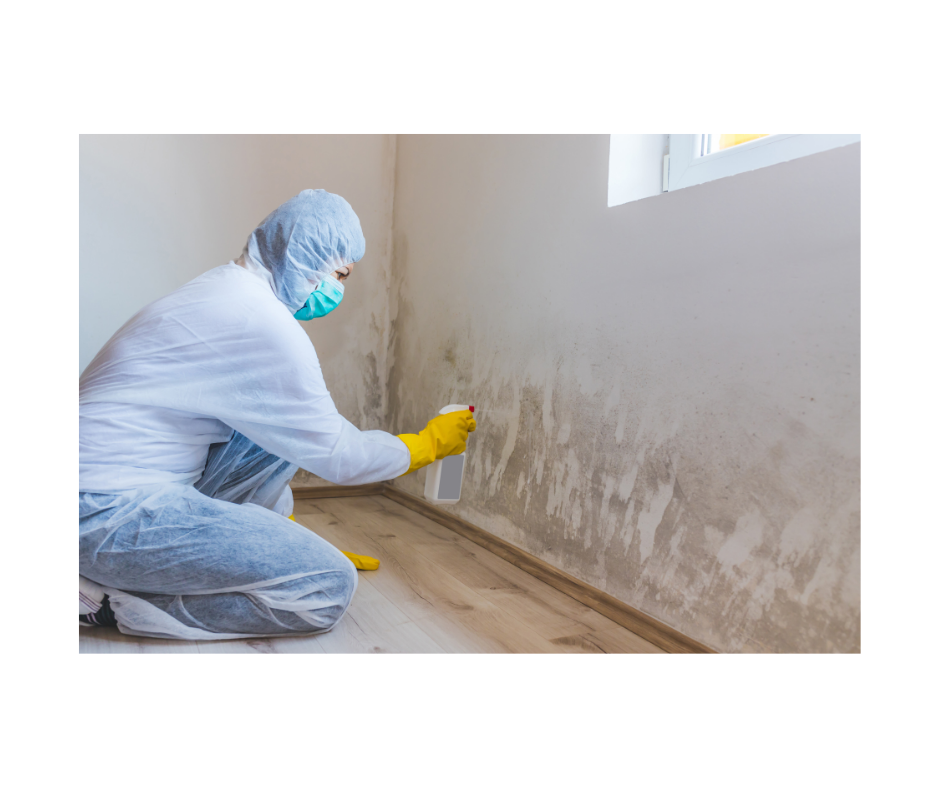
Musty odors and visible growth in Long Beach are signs to act. Crews assess the extent, contain the area, and remove mold safely. Referral hotline: your call is routed to a licensed, insured local restoration company.
Call 631-529-4976
Long Beach (11561) sits on the South Shore, with Island Park, Atlantic Beach and Point Lookout nearby. Incorporated in 1922 as a planned beach resort, Long Beach sits on a barrier island between Reynolds Channel and the Atlantic.
The city sustained heavy damage during Hurricane Sandy in 2012, and most properties are in high-risk flood zones with flood insurance requirements. Dehumidification and source correction are important for keeping mold from returning in a damp coastal setting. Enclosed lower levels, garages, and storage areas can stay damp for long periods and support mold on stored belongings. Flood-soaked insulation, drywall, and framing are the usual starting point for mold after a surge or heavy storm.
In practice, crews in Long Beach combine inspection, containment, and removal with drying and moisture control to reduce repeat growth.
The same crews cover nearby Island Park, Atlantic Beach and Point Lookout. Crews also handle water damage in Long Beach and fire and smoke damage in Long Beach.
Recurrence is tied to moisture. When the source is fixed and humidity is controlled, mold is much less likely to return.
Crews schedule mold assessments quickly, prioritizing cases tied to active leaks or flooding.
Timelines depend on the size and location of the growth. A specific estimate follows the assessment.
Moisture mapping and targeted testing help locate mold that isn't visible.
Mold can aggravate allergies and respiratory conditions, so prompt, contained removal is recommended.